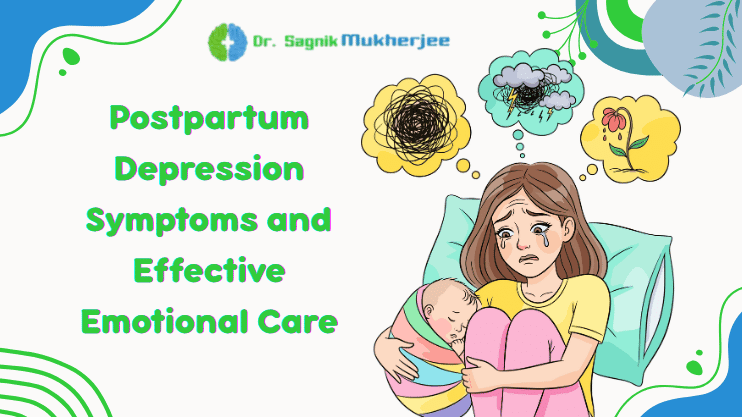
How to Identify and Overcome Postpartum Depression for Emotional Wellbeing
The period after childbirth brings profound physical, emotional, and psychological changes. For many new mothers, this transition includes moments of joy alongside exhaustion and vulnerability. While short-lived emotional shifts known as the baby blues are common in the early days after delivery, some individuals experience deeper and more persistent distress. postpartum depression, also referred to as postnatal depression or perinatal depression depending on timing, is a significant maternal mental health condition that deserves understanding, compassion, and timely care.
Recognising the Signs Beyond the Baby Blues
It is natural for new mothers to feel tearful, irritable, or overwhelmed shortly after childbirth due to rapid hormonal changes and sleep deprivation. These baby blues usually resolve on their own within a couple of weeks. Postpartum Depression, however, lasts longer and affects daily functioning. Symptoms may include persistent sadness, intense anxiety, emotional numbness, or a sense of disconnection from the baby.
Some individuals struggle with concentration, experience intrusive worries, or feel excessive guilt about their parenting abilities. Changes in brain chemicals following childbirth play a role in mood regulation, which is why these symptoms are not simply a matter of willpower or attitude.
Understanding Causes and the Role of Maternal Mental Health
Postpartum depression develops through a combination of biological, psychological, and social factors. Hormonal shifts after delivery influence brain chemicals involved in mood and stress responses. Physical recovery from childbirth, sleep deprivation, and the demands of caring for an infant add further strain. Emotional factors such as previous episodes of depression, limited emotional support, or high expectations around motherhood can increase vulnerability.
In some cases, mental health providers may recommend blood tests to rule out medical conditions such as thyroid imbalances that can mimic or worsen depressive symptoms. Recognising Postpartum Depression as a legitimate maternal mental health concern helps reduce stigma and encourages early intervention.
Seeking Help Through Therapy and Support Systems
Recovery often begins with reaching out. A strong support system, including partners, family members, and friends, can ease feelings of isolation. Many new mothers also benefit from connecting with support groups where shared experiences foster understanding and reassurance. Professional help plays a central role in treatment.
Talking therapy provides a safe space to explore emotions and develop coping strategies. Evidence-based approaches such as Cognitive Behavioural Therapy and cognitive-behavioral therapy help individuals identify unhelpful thought patterns and build healthier responses to stress. Interpersonal Therapy focuses on relationship changes and role transitions that commonly occur after childbirth.
Structured therapy sessions with trained professionals can significantly improve emotional wellbeing. Some individuals may also find reassurance and resources through organisations such as Postpartum Support International, which connects families to education and peer support.
Integrating Postpartum Care and Moving Toward Healing
Postpartum care should address emotional health alongside physical recovery. Simple steps such as prioritising rest, accepting help with daily tasks, and maintaining gentle routines can support healing. Engaging in light physical activity, when medically appropriate, and maintaining regular nutrition can positively influence mood.
Ongoing communication with healthcare providers ensures that emotional changes are monitored and addressed early. With the right combination of professional care, personal support, and self-compassion, recovery is achievable.
Over time, emotional balance can return, allowing new mothers to feel more connected, confident, and supported as they navigate parenthood. Dr. Sagnik is well-versed in psychiatric conditions for females, especially pregnant women. He can help diagnose and accordingly help to treat the issue.
Postpartum depression is not a reflection of failure or weakness. It is a treatable condition, and seeking help is an important step toward emotional wellbeing for both parent and child.

Dr. Sagnik Mukherjee is a highly regarded psychiatrist in Kolkata, bringing over a decade of experience in mental health to his practice. With a medical degree from Chittaranjan Hospital and an MD in psychiatry, his expertise spans adult psychiatry, geriatric psychiatry, child psychiatry, depression, anxiety-related disorders, and relationship issues. He has built a strong professional foundation, having worked at esteemed institutions such as Chittaranjan Hospital, SVS Medical College & Hospital, KPC Medical College, and Iris Hospital. His clinic is known for its advanced technology and state-of-the-art infrastructure, providing personalised mental health care, including medication management, individual and group therapy, and specialised services for substance abuse and eating disorders. His holistic approach takes into account lifestyle, diet, environment, and family dynamics when creating effective treatment plans. Additionally, he’s a respected TV speaker on social issues and offers online consultations for patient convenience, making him a trusted figure in the field of psychiatry in Kolkata.